Booking too large a storage unit wastes money every month you're locked into it. Booking too small means a second trip, a second booking, or gear left sitting in the garage. Getting the estimate right the first time is the easiest way to control a moving budget.
This guide gives you the formula on how to calculate the storage size you need and two common scenarios while moving: splitting a load between moving and storing, and sizing for a business relocation by pallet and box count.
How Much Storage Space Do You Actually Need? (Quick Answer)
Usually, calculating the stored space means looking at the dimensional counting. Using the formula: m³ = length × width × height of your items once stacked, added together for everything you're storing.
There are two ways to size, and they're not the same calculation. Fixed-unit sizing applies if you're renting a static self-storage unit, you're matching inventory volume to a room's footprint. Module-count sizing applies if you're using mobile storage, you're matching inventory volume to how many storage modules will be dropped at your door.
3 Steps to Estimate the Right Storage Space
After calculating estimated dimensions, you should walk around the house and have a comprehensive understanding of what you want to store. Following three steps of
Step 1: Inventory everything, including what's already in storage
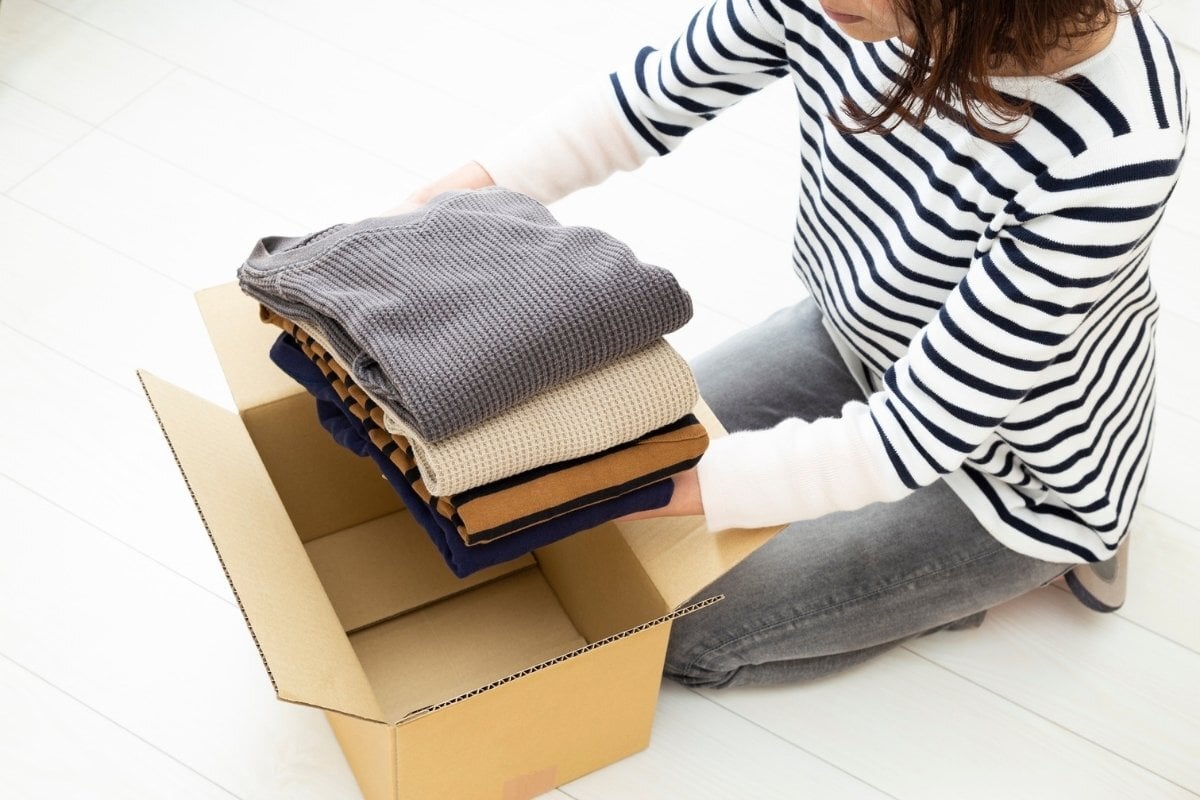
Walk each room and list out what’s needed to be stored: furniture, boxes, and appliances. Notice if they are not in regular shape or need extra space surrounding them as they can’t be stacked upon to avoid damage.
- 6 x boxes of books (W 43 x L 41 x H 60 cm)
- 1 x four-drawer filing cabinet (W 46 x L 62 x H 132.10 cm)
- 2 x desks (L 180 x W 80 x H 73 cm)
- 2 x office chairs (L 50 x W 65 x H 100 cm)
- 1 x acoustic piano (L 150 x W 45 x H 112 cm)
Note what should be disassembled. This includes wardrobe, beds, and book shelves. A queen bed frame taken apart typically needs roughly 40% less floor space than assembled.
Step 2: Apply the stacking-efficiency discount
Take your raw item volume and divide by 0.6–0.75 to get the actual capacity you need to book, not the raw sum of item volumes. You will need some spaces for fragile furniture, or ones with irregular shapes; a space to easily access your belongings is also needed to be considered.
Step 3: Match the result to a unit size or module count
Round up to the nearest available size, under-booking by even 0.5m³ often means items left out.
Room-by-Room Size Guide: An Overall Estimation of Common Australian Households
If you do not frequently use moving services, calculating the required space can be a challenge. In addition to the calculation formula mentioned above, estimating your needs based on the number and size of rooms can help you gauge the necessary storage space and select the right service.
|
Home type |
Approx. m³ needed |
Common appliances |
Mobile module equivalent |
|
Studio / 1 bed room |
8–12 m³ |
Single bed, a small sofa or armchair, bookshelves |
1 module |
|
2-bedroom apartment |
12–18 m³ |
Working tables, dining tables, medium-sized sofas, basic decorations (lamps, TV, cabinets, chairs) |
2 modules |
|
3-bedroom house |
20–28 m³ |
Different sizes of beds, large bookshelves, multiple chairs, set of sofas and armchairs |
3 modules |
|
4-bedroom house/grand house |
28–35 m³ |
All furniture above and delicate furniture like artwork and instruments (drumset, piano) |
4 modules |
Three Tips to Effectively Pack Your Belongings to Utilize the Storage Space
Tip 1: Pack Vertically
Make the most of your storage unit by packing vertically instead of spreading items across the floor. Stack boxes from floor to ceiling, placing heavier boxes at the bottom and lighter ones on top to avoid clashing while storage or unnecessary damage.
For example, stack sturdy furniture like dressers or bookshelves along the walls first, then use the vertical space above and around them for boxes. If the beds are disassembled in stacks of pallets, you can also stack them vertically alongside other furniture’s pallets to save space.
Tip 2: Prioritise Important Belongings
Before packing, decide which items you'll need to access again soon and which can stay stored long-term. Place frequently needed items, like seasonal clothing, documents, or sporting gear near the front of the unit for easy reach. For example, if you're storing during a renovation over the cooler months, keep jumpers and heaters accessible while packing away summer gear like the esky and beach umbrella further back. A little planning now saves you digging through boxes later.
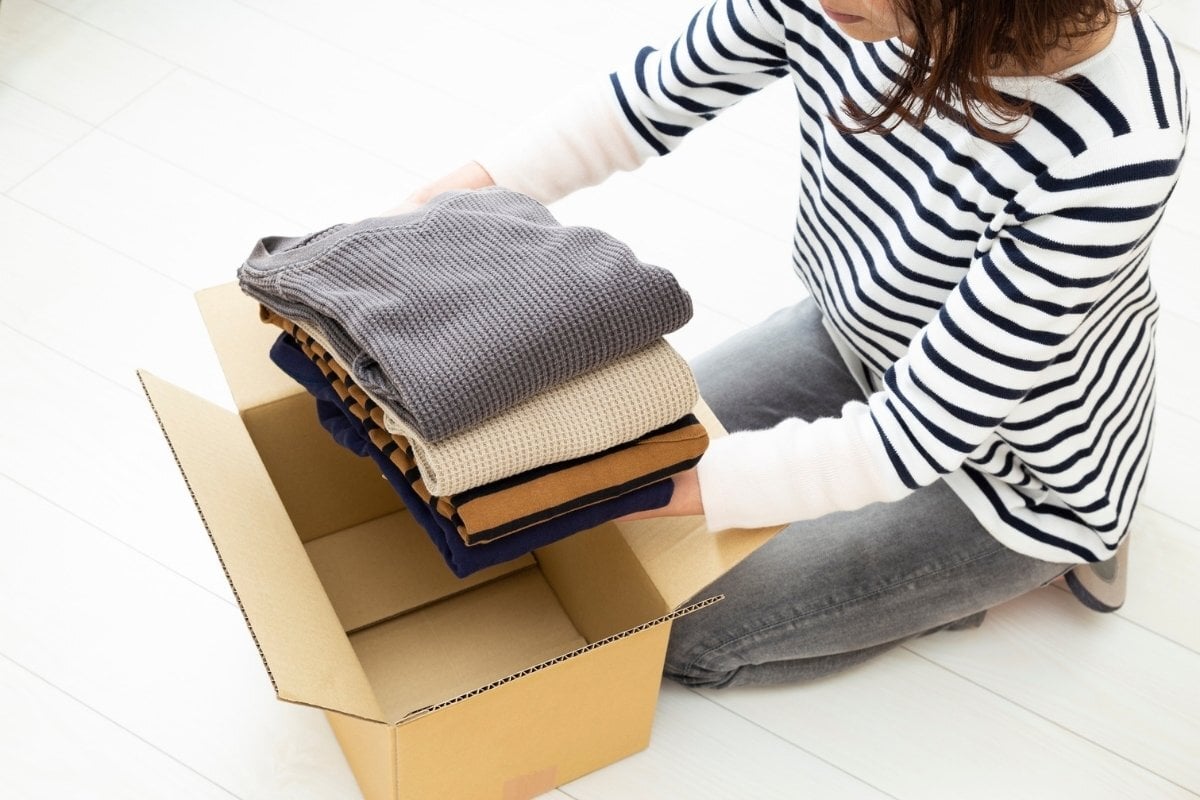
Tip 3: Disassemble Furniture if Needed
Break down large furniture items like bed frames, tables, and shelving units before moving them into storage. Most modern appliances are screw-in designs, dismantling furniture helps optimize storage space and simultaneously makes it easier to move the items out of your current home.
Disassembled pieces are easier to transport, protect corners and joints from damage, and free up valuable space, particularly useful if you're downsizing from a house to an apartment, a common move in Australian capital cities.
Fragile furniture, such as documents, photos, and artwork should be counted separately from bulk furniture volume: they need upright, climate-aware handling rather than being stacked under heavier items. By this, a professional removalist with different approaches to protect these precious belongings would be handy.
Common Problems While Relocating to Your New Home
Moving and Storing at the Same Time
If you're relocating and only some belongings are coming to the new place immediately, don't size a single combined figure. Split your total inventory into two groups: go to the new home now and go into storage. Size the moving truck or container against the first figure, and the storage allocation against the second.
This split matters most for interstate moves. Items sitting in storage during a multi-day transit are subject to vibration and movement, packed in denser, transit-safe packing, not just space-efficient stacking. Items going straight into a stationary unit don't carry that constraint.
Business Storage: Estimating by Pallet and Box Count
Business storage sizing runs on pallets and box counts, not room footprints. A standard pallet footprint is roughly 1.2m × 1m; as a rule of thumb, allow around 1.5–2m² of floor space per stacked pallet. For document archives, a banker's box at 0.04m³ means roughly 25 boxes per cubic metre before factoring shelving gaps.
Three patterns come up repeatedly: office furniture during a relocation or fit-out, document and archive boxes needing long-term but low-access storage, and trade show or excess stock inventory needing short-term, precise space. With this complexity, Super Easy Storage offers business storage, covering different aspects of a company storage with flexible terms, handling from frequent to less frequent items to assist your relocation. Before booking, use the storage calculator to estimate the storage unit to ensure a smooth experience before our removalists come and help you pack your belongings.
Ask a Quote with Super Easy Storage to Assist Your Schedule
A strategic packing method not only saves time but also the space, helping you plan a budget before moving. If you only have a few items with easy packing, booking directly would save you some time. On the contrary, mobile, business, and interstate scenarios benefit from a quote instead, because module count and partial-load splits vary with access constraints and disassembly needs the calculator can't account for on its own.
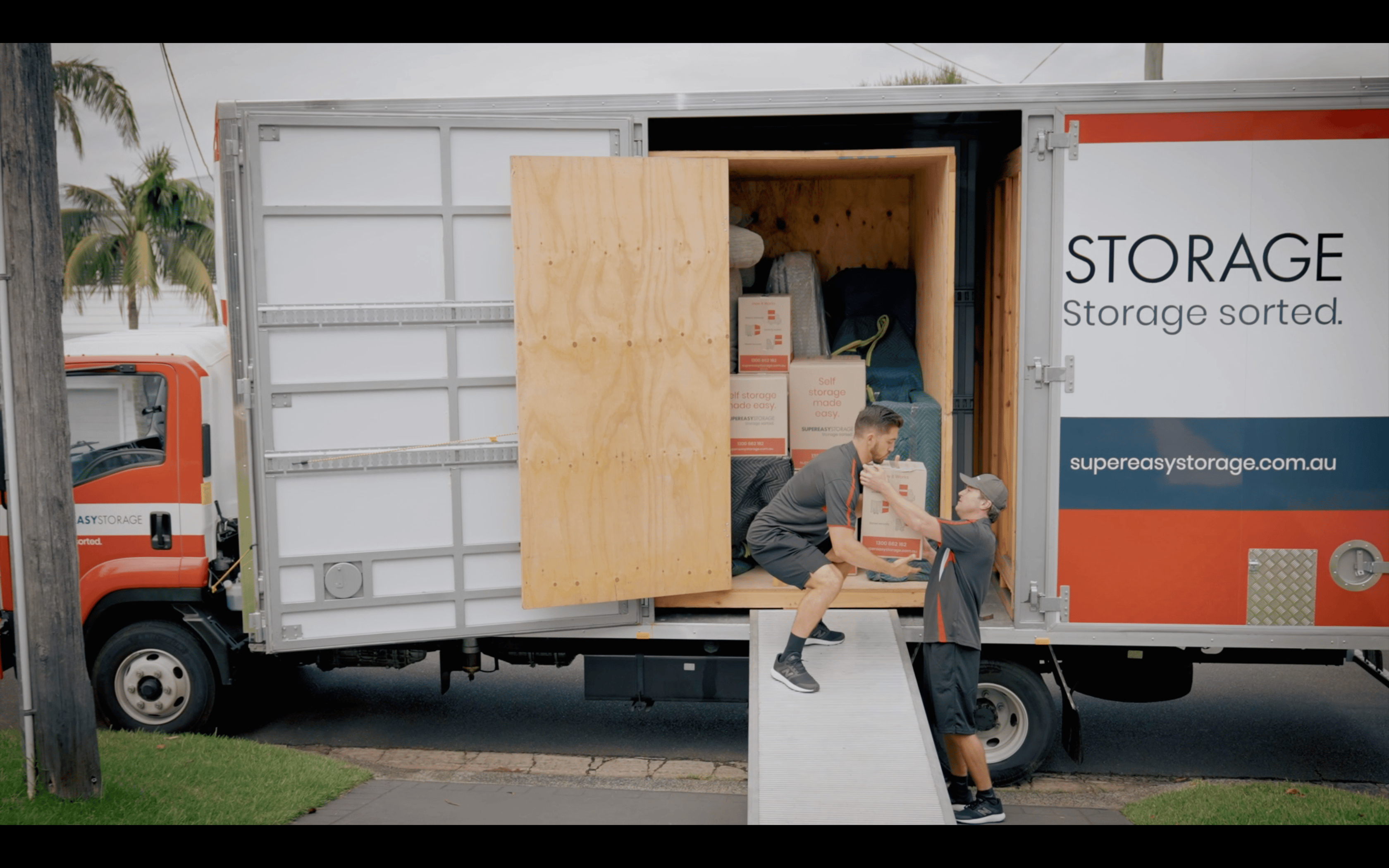
Once your size is sorted, Super Easy Storage takes care of the rest with a true door-to-door service. Track your moving truck online from pickup to drop-off, so you always know where your belongings are on the journey interstate. And with controlled, secure access to your storage unit, you can rest easy knowing your things are protected the entire time, whether you're storing for a few weeks or settling into your new home over several months.