Sometimes the wrap didn't match the fragile furniture’s setting, which could lead to damage while they are waiting to be transferred to your new home. With their delicate natures, packing fragile furniture requires a strict routine to ensure protections, not only from outer damage but also from weather effects that could affect inner qualities.
This guide covers common protection materials and what they actually protect against through common fragile furniture, and where professional packing changes the equation.
What Counts as Fragile Furniture?
Fragile furniture is a complicated category of furniture, covering both glassware and kitchenware, ranging from glass tabletops, mirrors, mirrored wardrobes, leather and upholstered sofas, antique wood or veneer cabinets, flat-pack particleboard furniture, pianos, and framed artwork. The similarity is that they need extra care and protection when you move them around.
Dealing with fragile furniture means dealing with every possibility while moving them: pressure and compression from stacking, shock from being dropped or knocked, shifting during transit, bumping against other items, and uneven weight distribution that stresses joints or panels. Every time a piece is picked up, carried, or transferred between vehicles, that's a separate chance for damage. That’s why fragile furniture should be treated with care, and sometimes DIY packing is not enough to shield them from the damage.
Humidity and temperature swings act on veneer, leather, and glass adhesives even when nothing is being moved at all, which is why packing for storage and packing for a same-day move aren't the same task.
Common Protection Materials and Their Protection Advantages
Each material exists to solve one specific failure mode, depending on the material they are produced with:
- Bubble wrap absorbs impact shock. Especially useful for corners and protruding fittings.
- Packing paper prevents surface scratches on wood and painted finishes.
- Foam sheets and corner protectors guard edges and corners, the single most common point of furniture damage during transit.
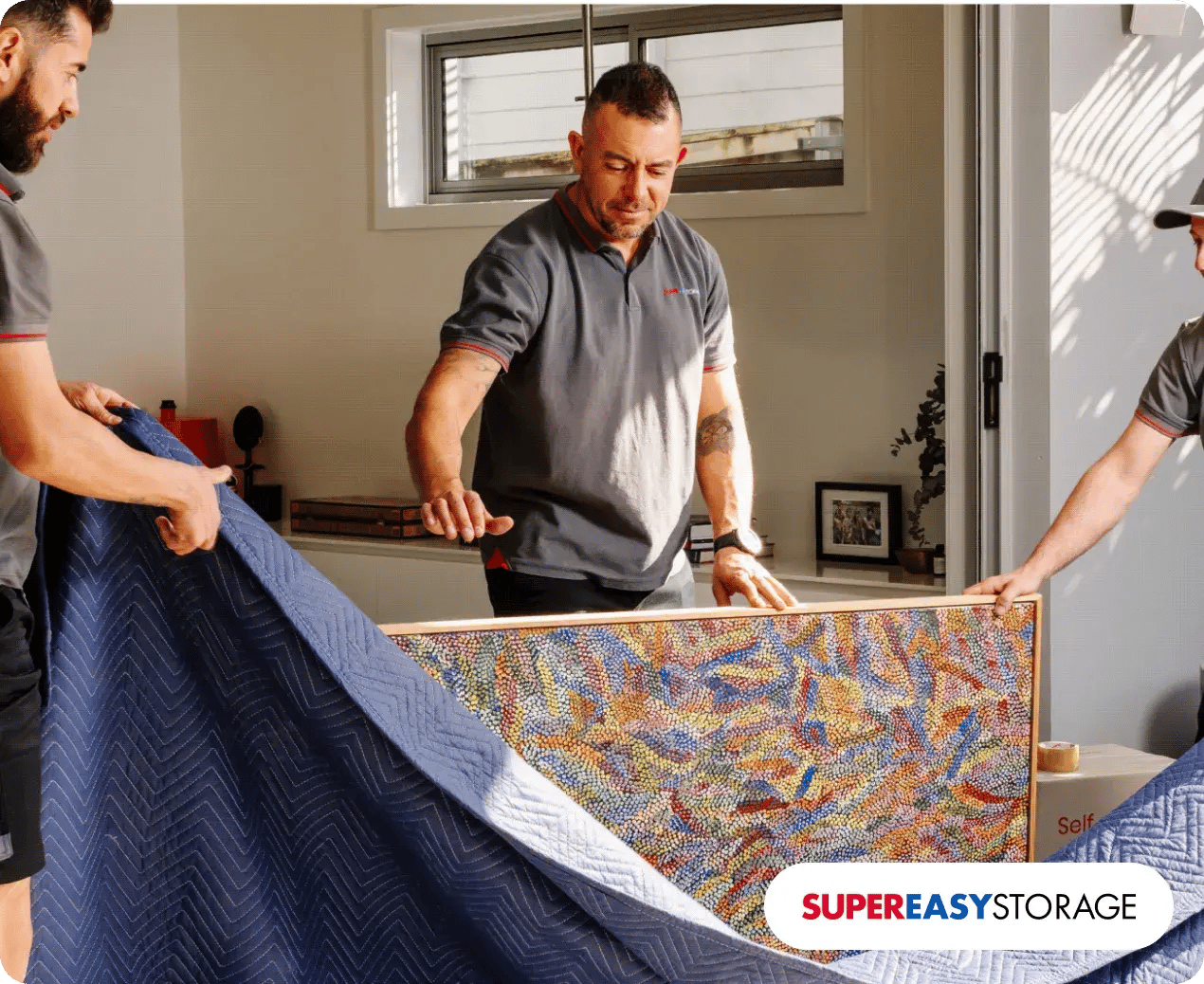
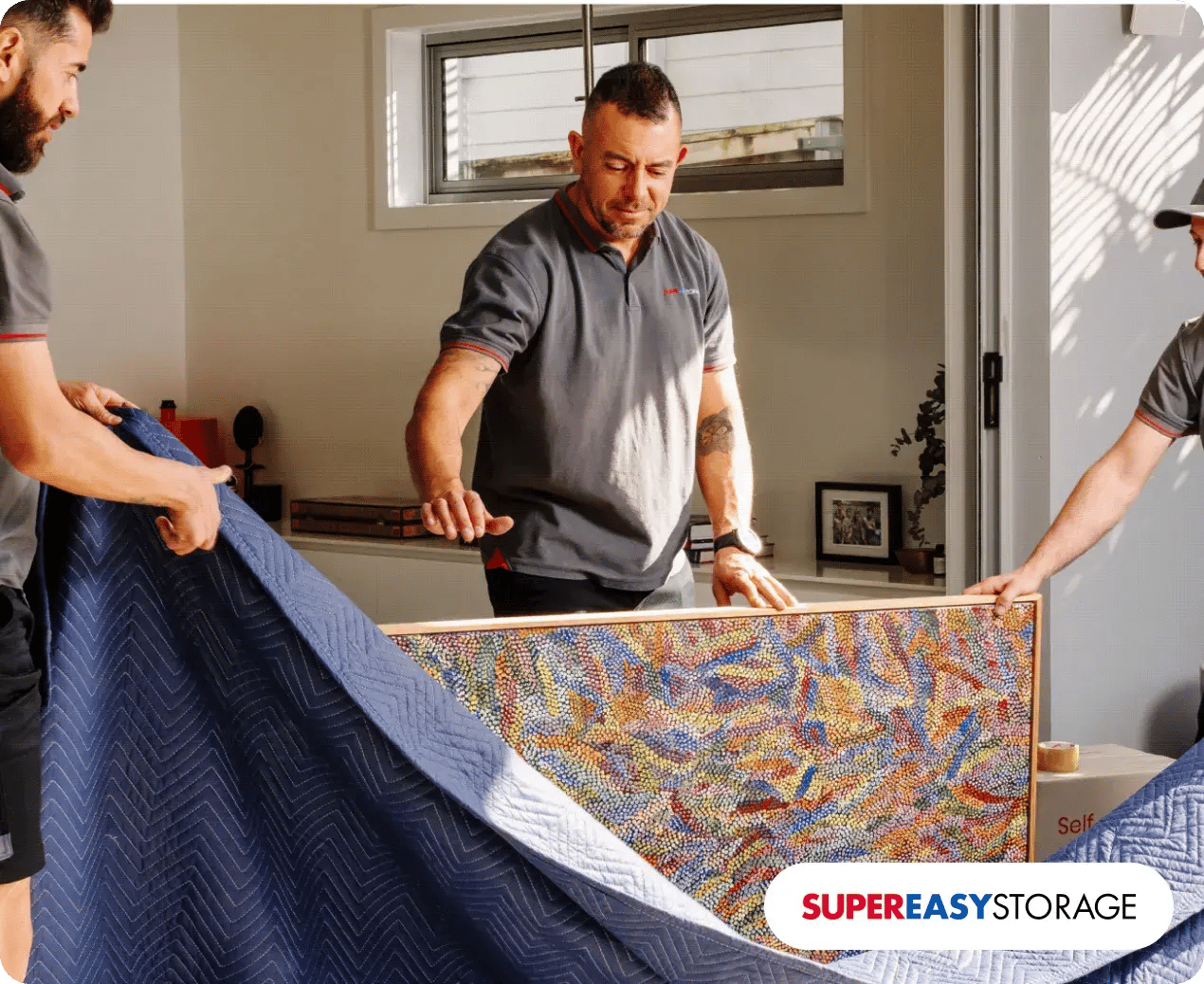
- Moving blankets and furniture pads, secured with stretch wrap, protect large flat surfaces on cabinets and tables.
- Corrugated dividers separate glass panels so they don't rub or press against each other.
For glass and mirrored surfaces, double-boxing or an extra cushioning layer is worth the cost. As a rule, wrap and box choice should scale with how long the item will sit in storage, not just its weight. For every type of fragile item, protecting the edges and corners should be prioritised.
Standard Protection Protocol for Different Furniture Type
Each type of fragile furnishing presents its own unique challenges; consequently, there is no one-size-fits-all solution. Rare wooden furniture, for instance, requires different preservation methods than photographs or artworks in general. Understand the differences can help you avoid this moving mistake.
|
Furniture Type |
Main Risk |
Packing Method |
Ideal disassembly |
|
Glass tabletops & cabinet doors |
Pressure cracking |
Vertical storage, corner protectors, corrugated sheet between panes |
Remove glass from frame where possible |
|
Mirrors & mirrored wardrobes |
Surface shattering, silvering damage |
Edge padding, vertical transport, never flat-stacked |
Remove from wardrobe frame if bolted |
|
Leather & upholstered sofas |
Surface scuffing, moisture staining in storage |
Breathable cotton cover. Avoid plastic, which traps moisture inside |
Remove legs |
|
Antique wood/veneer cabinets |
Veneer lifting from humidity, joint stress |
Moving blanket first, stretch wrap over the blanket — never direct |
Remove shelves, doors, adjustable parts |
|
Electronic devices |
Moisture damage and edge deformation from impacts |
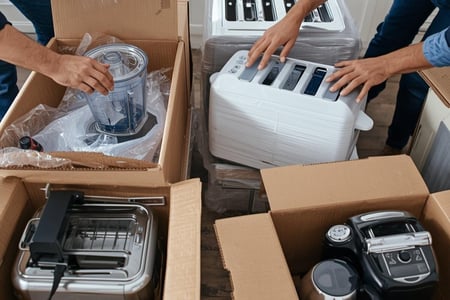
Layers of foams and bubble wraps to protect the outer, a layer of cotton to avoid moisture |
Electronic devices cannot be disassembled, cover the outer instead. |
|
Flat-pack/particleboard furniture |
Chipping at pre-drilled holes, connector wear |
Original hardware bagged and taped to the labelled panel |
Full disassembly recommended |
|
Pianos (upright/digital) |
Internal mechanism shock, finish damage |
Cover with multi-layer protection to avoid weather effects, mostly moisture and damage on the outside. |
Specialist handling to ensure protection |
To help you save your time while reassembling, tag each hardware bag with the furniture name it belongs to, and photograph each stage before removing parts. This turns reassembly into a simple visual reference. Tape the bag directly to the item itself rather than boxing hardware separately, where it's easy to lose or mismatch with the wrong piece.
Handling Count — the Damage Variable Nobody Talks About
Another damage that is often overlooked is handling count, caused by constant moving and transferring fragile furniture from one point to another without care. Every lift, load, and vehicle transfer is a separate chance for a knock or a drop, regardless of how careful you are while moving. There is always a small chance that you might bump your electronic devices into the wall, especially if your new home has a narrow hallway.
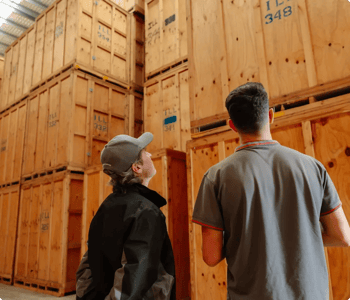
A single-handling model changes that math. With mobile storage, a unit is delivered to the door, packed once at the property, and then transported without a mid-journey transfer. Fewer touches mean fewer chances for the kind of bump or drop that causes most furniture damage. This is the mechanism behind Super Easy Storage's "one handling, less damage risk" approach, ensuring that furniture not only receive protection from professional removalists, they are also under care while moving to minimise the damage caused by reckless moving.
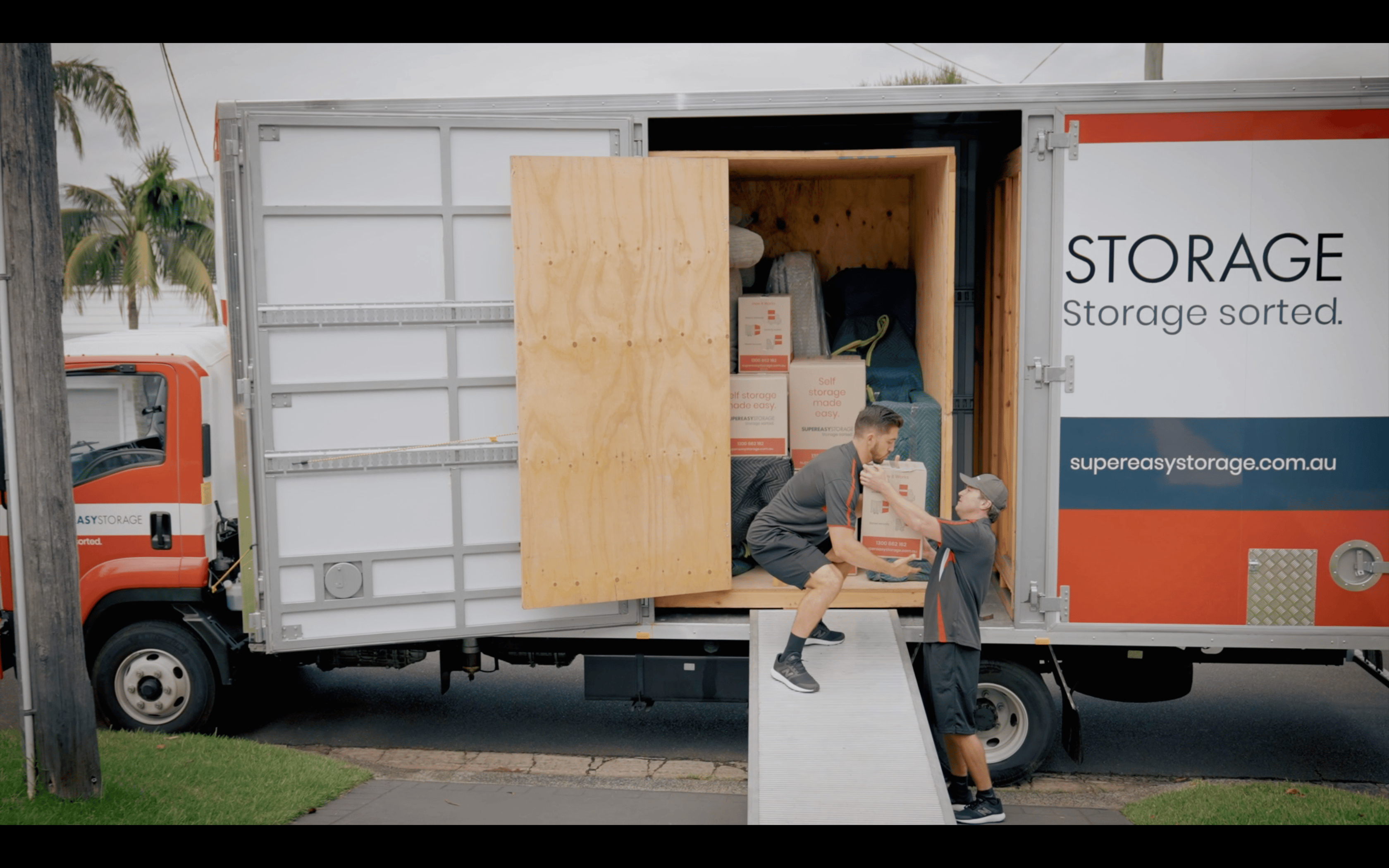
Protect Your Belongings with Professional Packing by Super Easy Storage
Professional packing means matching the method to the item: glass gets corner protection and vertical handling, antiques and beloved artwork get climate-aware wrapping, pianos get specialist attention. This shows that the moving service thoroughly cares about your belongings just like theirs.
Super Easy Storage's professional removalists are a verified part of the service, and the mobile storage model means packing happens once, at the property, before the unit is transported. The service runs on no lock-in contracts, so packing and moving timelines can adapt to a reader's actual schedule rather than a fixed booking window. The transportation is cohesive with tracking devices, informing the exact location of your belongings, giving you full control of your items. With flexible storage solutions along the way, it flexibly adapts with unexpected events, or a short break before settling in your new home.
FAQs to Pack Your Fragile Furniture
1. Can I use plastic wrap on leather furniture in storage?
No. Plastic traps moisture against the leather, which can cause staining or mildew over longer storage periods. Use a breathable cotton cover instead, especially for anything going into storage for more than a few weeks.
2. Do I need to disassemble furniture for a short local move?
It depends on the item. Glass components and legs should come off regardless of distance, but full disassembly of cabinets or flat-pack pieces is optional. If the cabinet could be carried by removalists or it’s not too big in size, disassembling it could be a hassle.
3. What's the difference between packing for a move and packing for storage? Duration and climate exposure. A move only needs to survive a few hours of handling, while storage needs to withstand humidity and temperature changes over weeks or months, which is why veneer and leather need different treatment for storage than for transit.