When it comes to storing belongings for weeks, months, or even years at a time, the packing supplies you use matter just as much as the storage unit itself. Packing supplies are materials used to protect furniture and belongings from external conditions, things like weather exposure, dust, and moisture that can otherwise cause permanent damage over a long storage period. Without the right protection, even a secure, well-maintained storage unit won't stop timber from warping, fabric from developing mould, or metal from rusting.
Choosing the right combination of packing supplies depends on what you're storing and for how long. Below is a rundown of five common packing supplies used in self-storage, what each one is best suited for, and how they help keep your belongings in the condition you left them in.
Five Common Packing Supplies for Self-Storage Units
|
Material |
Advantages |
Common Applications |
|
Bubble wrap |
Lightweight cushioning, absorbs shock, flexible around awkward shapes |
Glassware, mirrors, electronics, fragile decor |
|
Plywood |
Rigid, weather-resistant, structurally strong |
Flooring protection, crating, large furniture bases, shelving |
|
Polyester wraps |
Water-resistant, breathable, reduces moisture build-up |
Upholstered furniture, mattresses, soft furnishings |
|
Specialised boxes (cardboard) |
Stackable, customisable sizes, easy to label |
Books, kitchenware, clothing, general household items |
|
Pads and covers (blankets) |
Thick padding, prevents scuffs and scratches, reusable |
Wooden furniture, appliances, large flat surfaces |
1. Bubble Wrap
Bubble wrap remains one of the most widely used packing supplies for good reason. Its air-filled pockets absorb shock and cushion items against knocks, making it ideal for anything fragile or breakable.
In a self-storage context, bubble wrap is particularly useful for glassware, mirrors, picture frames, and electronics, those that can crack, chip, or scratch if they shift or bump against something else while in storage. Wrapping items individually before boxing them adds an extra layer of protection against the general jostling that can happen during loading and unloading.
2. Plywood
Plywood might not be the first material that comes to mind when thinking about packing supplies, but it plays an important structural role in storage settings. Its rigidity and resistance to weather-related wear make it useful for building protective bases, crating oversized or irregularly shaped items, and reinforcing shelving inside a unit.
Plywood is also commonly used to line the base of a storage unit or create a raised platform, keeping furniture and boxes off the ground and reducing the risk of moisture creeping up from below, particularly relevant in units without a fully sealed floor.
3. Polyester Wraps
Polyester wraps are especially useful for protecting upholstered items, where moisture is the primary concern. Unlike plastic wraps, which can trap condensation against fabric, polyester wraps are water-resistant while still allowing some breathability, helping reduce the risk of mold or mildew developing over a long storage period.
Mattresses, sofas, and other soft furnishings benefit most from this type of covering, as it protects the fabric surface from dust and moisture without sealing in dampness that's already present.
4. Specialised Boxes (Cardboard Boxes)
Cardboard boxes are the backbone of most storage setups, as they're stackable, easy to label, and available in sizes suited to almost anything, from books and kitchenware to clothing and smaller household items.
Using appropriately sized, sturdy boxes (rather than mismatched ones from the supermarket) makes a noticeable difference to how efficiently a storage unit can be packed. Well-packed, uniform boxes stack more securely, reduce wasted space, and make it far easier to locate specific items later without unpacking everything else first.

5. Pads and Covers (Blankets)
Thick moving blankets and furniture pads are essential for protecting larger wooden and upholstered items from scuffs, scratches, and dents. Because these covers are reusable and provide a decent amount of padding, they're particularly well-suited to wooden furniture, appliances, and any large flat surfaces that are prone to marking during handling or when stacked against other items.
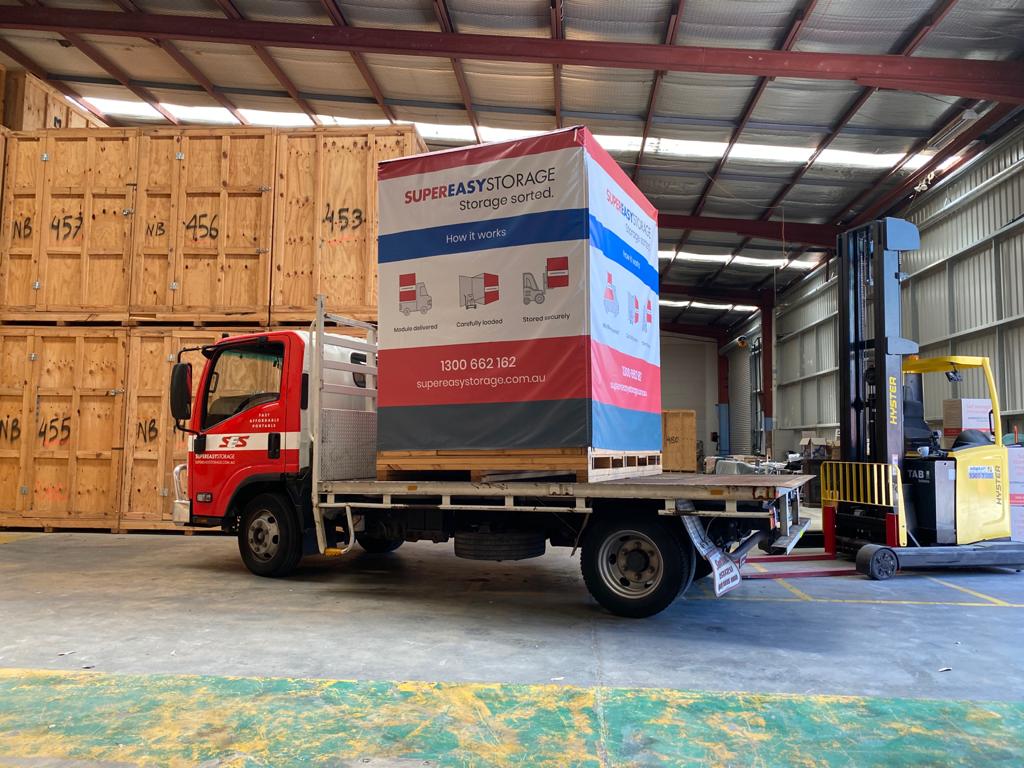
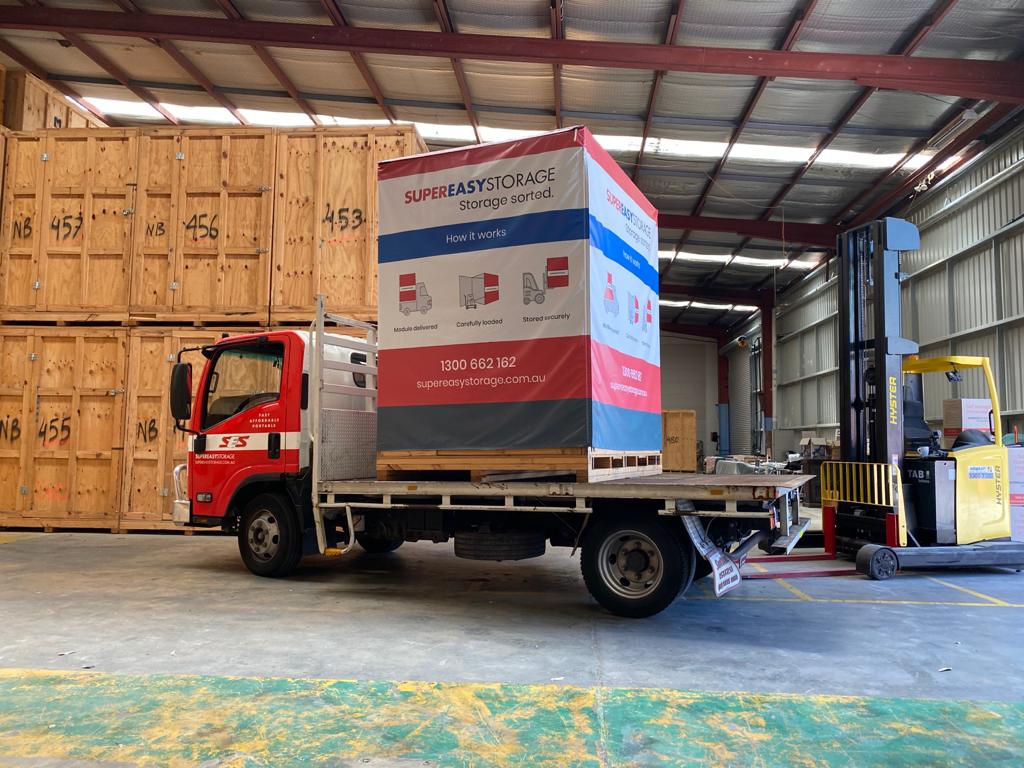
With its soft surface, it diminishes friction from moving around, avoiding unwanted interaction between furniture while moving your storage units around by specialised vehicles like forklifts. Wrapping furniture in blankets before moving it into storage also helps prevent surface damage from prolonged contact with other objects over an extended period.
How Much Packing Material Should I Prepare?
There's no single answer to how much packing material you'll need. It depends largely on the volume and type of belongings being stored, as well as how long they'll be in storage. That said, a few general guidelines can help with planning:
- For a single room's worth of items (say, a bedroom or study), a handful of medium and large boxes, a roll of bubble wrap, and one or two moving blankets are usually enough to cover fragile items and larger furniture pieces.
- For a full house move into storage, it's worth overestimating slightly rather than underestimating. Running out of boxes or wrapping partway through packing often leads to items being packed hastily or left unprotected, which increases the risk of damage.
- For long-term storage (six months or more), prioritise higher-quality, weather-resistant materials like polyester wraps and plywood bases over cheaper alternatives. The cost difference is minor compared to the cost of replacing damaged furniture down the track.
- For fragile or valuable items, it's better to over-wrap than under-wrap. Layering bubble wrap with a blanket or box on the outside gives extra protection against knocks during transport and storage. With fragile items, different approaches should be used to ensure they have proper protection as they can be broken easily.
As a general rule, it's worth doing a rough inventory of what's being stored before buying packing supplies, so you're not left making last-minute trips to grab more material — or paying for supplies you didn't end up needing.

Have a Quote with Super Easy Storage for a Stress-Free Storage Solution
Even with the right packing supplies, the storage solution you choose plays a major role in how well your belongings hold up over time. Super Easy Storage is designed to flexibly adapt to different storage demands, whether that's temporary storage during an interstate move or a long-term solution while you settle into a new stage of life.
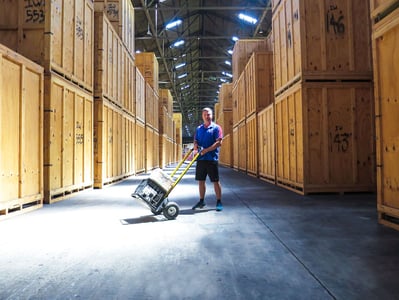
Units are built using durable plywood modules designed to withstand a range of weather conditions, offering an extra layer of structural protection on top of whatever packing supplies you bring along. This makes Super Easy Storage a solid choice whether you need a short-term unit to bridge the gap during a move, or a longer-term space to store belongings safely for months at a time.
Get a quote with Super Easy Storage today and find a flexible, weather-resistant storage solution built around your specific packing and storage needs.